
𝗣𝗲𝗿𝗳𝗲𝗰𝘁 𝗼𝗻 𝗽𝗮𝗽𝗲𝗿. 𝗗𝗲𝗮𝗱 𝗶𝗻 𝗿𝗲𝗮𝗹𝗶𝘁𝘆. 𝗜𝗻 𝗘𝗣𝗖 𝗽𝗿𝗼𝗷𝗲𝗰𝘁𝘀, 𝗼𝗻𝗹𝘆 𝗼𝗻𝗲 𝘁𝗵𝗶𝗻𝗴 𝗰𝗼𝘂𝗻𝘁𝘀:
It all begins with an idea.
Built –> on time, within budget, at the required quality.
But here’s what happens instead:
- In engineering, people try to squeeze out the last kWh, even if it delays construction.
- In procurement, they negotiate for two more cents, and miss the ordering window.
- On site, everything comes to a halt because a mounting hole pattern doesn’t fit.
Instead of drilling, they call the supplier for three days. Seriously?
Why?
Because everyone’s thinking inside their bubble.
Their silo. Their scope. Their personal KPIs.

Walk through a 10-year-old PV plant and you see the real cost of shortcuts.
Walk through a 10-year-old PV plant and you see the real cost of shortcuts.
You don’t just see aging modules or faded labels. You see the consequences of decisions made under pressure, with one eye on CAPEX and the other on the calendar.
Let’s face it:
Most of the pain points in old PV plants were avoidable. You can trace them back to the “good enough” thinking that ruled the last solar boom.
𝗪𝗵𝗮𝘁 𝘀𝘁𝗮𝗻𝗱𝘀 𝗼𝘂𝘁 𝗲𝘃𝗲𝗿𝘆 𝘁𝗶𝗺𝗲?

1 GW Power Supply: Nuclear vs. PV+Wind+BESS
It all begins with an idea.1 GW Power Supply: Nuclear vs. PV+Wind+BESS
I often hear: “We need baseload, that’s why we need nuclear.”
But what does a fair, fact-based comparison look like, 1 GW continuous supply?
Nuclear (realistic experience values)
- CAPEX: €12–15 bn (overnight CAPEX)
- OPEX: €100–120/kW/year ………..
RE Hybrid (PV+Wind+BESS, German benchmarks)
- CAPEX: €4–5 bn
- OPEX: €30–40/kW/year …………
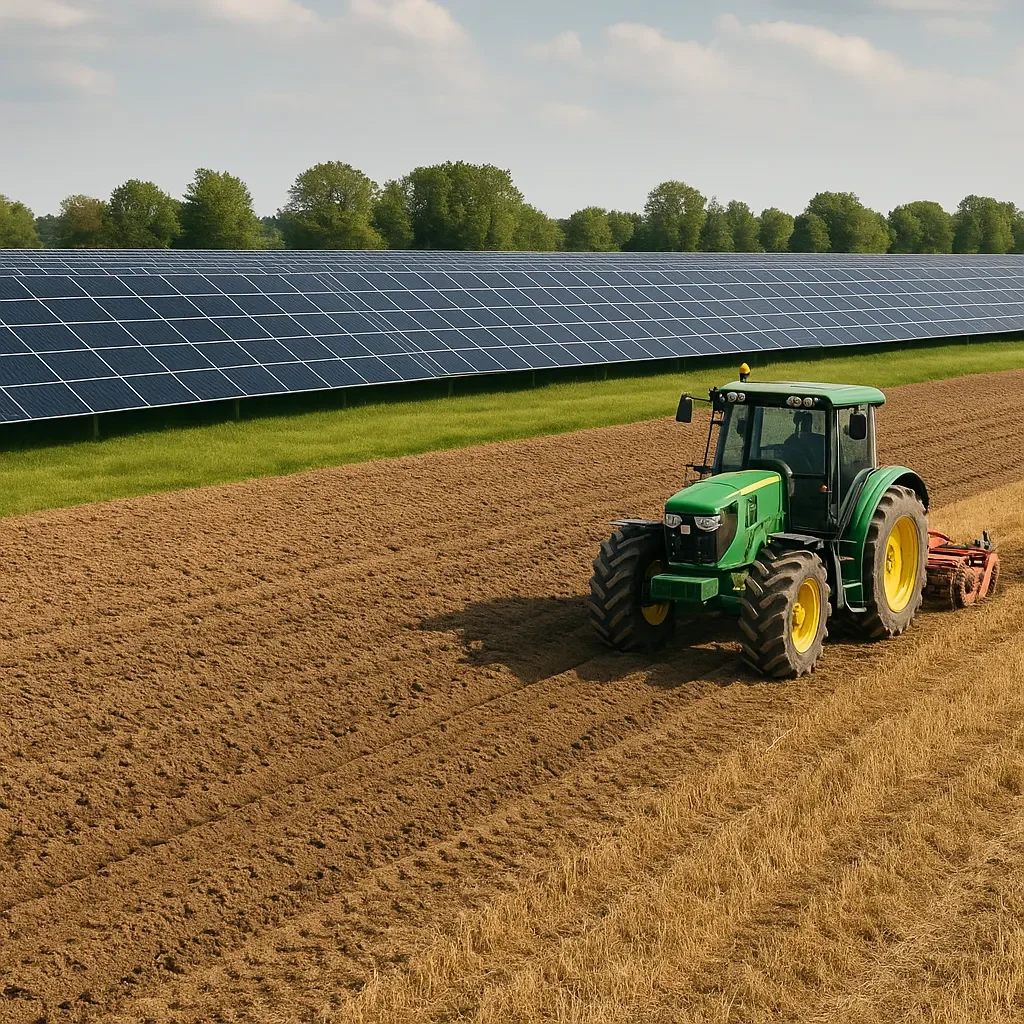
Farmland or Solar Power? Why the Real Question Isn’t What You Think
Farmland or Solar Power?
Golf courses or solar farms?
That’s the kind of question that often pops up in debates about land use and renewable energy. But the real tension isn’t between golf and green energy. It’s between farmland and solar power , and the reasons behind that shift might surprise you.
In my work in the solar photovoltaic (PV) sector, I’ve seen this story play out countless times. Agricultural land becomes a solar farm. Not because the soil was barren. Not because of generous subsidies. But because of something far more human: there was no one left to farm it.